
Marathon County Property Value Types
More than one Marathon County property value can attach to the same parcel. The assessor sets an assessed value parcel by parcel. That work draws on comparable sales, replacement cost, and rental potential. Fair-market value is the estimate behind that work. A deed or transfer record may add a sale price. That price records what one buyer paid at one moment. Compare the measure and its date before calling two amounts a conflict.
| Value | What It Is | Where |
|---|---|---|
| Assessed value | Parcel-level value used in the assessment roll | Ascent and local assessor |
| Fair-market estimate | Assessor's estimate under Wisconsin valuation rules | Ascent or tax bill |
| Sale price | Price recorded for a particular transfer | Recorded deed and sale context |
| Municipal ratio | Assessed value compared with DOR base or full value | Wisconsin DOR reports |
The ratio is an aggregate measure for a whole municipality. It is not an appraisal of a single Marathon County parcel. A sale price can reflect condition, timing, and the parties' circumstances. An assessed amount can reflect the local roll and when a reassessment landed. For any parcel value question, keep the municipality, property class, and tax year beside each number.
Where Marathon County Values Appear
Ascent links each parcel listing to its value and tax context. The local assessor discovers, lists, and values taxable real and personal property. The Treasurer collects the tax. Wisconsin assessments must reflect fair-market value. The assessor weighs comparable sales, replacement cost, and rental potential to get there. The resulting figure is an interpretation for the roll. It is not an independent appraisal prepared for a sale.
LandShark can confirm a property's last transfer. A sale price should still be read with its date and the recorded instrument behind it. A parcel that has changed may say little about present value. The same is true of a transaction that is not comparable. The Marathon County property-value page explains the local assessment and appeal route in detail.
Look Up a Marathon County Property Value
Start with the county parcel search to pull the assessed value for a known site. Search by municipality, street, owner, or full PIN. Write down the year and municipality next to the number. Then turn to a recorded instrument if you need to confirm a sale price for comparison. A recorded deed can confirm a sale price. Never apply a DOR ratio to an individual value without knowing the property's class and year. Know the property's class and year first.
- Find the parcel in Ascent and copy its PIN and municipality.
- Read the assessed-value field and any fair-market estimate shown for the tax year.
- Check LandShark for the sale instrument and recording date if sale price matters.
- Use DOR reports for municipal ratio context, not a parcel appraisal.
- Assessed value
- Local parcel value used in assessment and tax work.
- Fair-market value
- Assessor's estimate of market value under the applicable method.
- Sale price
- The amount tied to a particular conveyance, not a forecast.
- Assessment ratio
- A municipality-level comparison of assessed and DOR full or base value.
- Revaluation
- A process to bring assessments into line with market-value rules.
Marathon County DOR Ratio Context
The Department of Revenue publishes equalized-value reports and assessment ratios for Wisconsin municipalities. The ratio compares a municipality's assessed value with the DOR base or full value. It measures a jurisdiction. It does not customize a value for one house. The DOR assessment manual describes fair-market value. It also shows how equalized value helps apportion levies across municipalities.
Major property classes must meet the state's assessment-level standard at least once every five years. Persistent noncompliance can trigger a DOR-ordered revaluation. That statewide cycle explains why an assessment can move. The structure itself has not changed. An owner still needs parcel-level evidence to challenge a specific value on the tax roll.
The DOR ratio and equalized-value reports give municipal context for Marathon County value records. The Wisconsin DOR ratio report places local assessment levels in that same municipal frame.
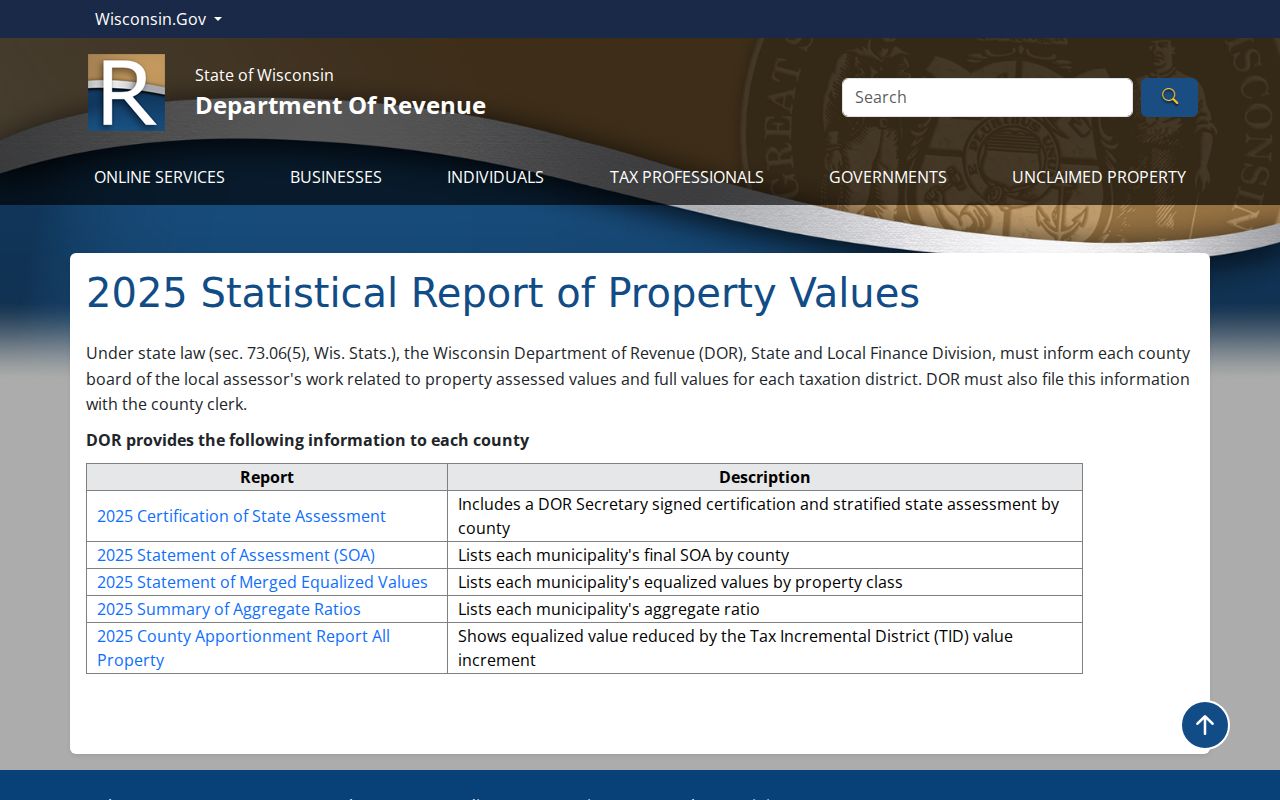
The report compares each municipality with DOR's base value. It does not estimate any single property's sale price.
Marathon County Sales Layers as Context
County GIS exposes property-sales layers covering 2018 through 2022. Those mapped records help compare an area. They are not a full title history, a complete market survey, or a price forecast. Read the sale date first. Check the property characteristics too. Do not use one mapped sale alone to judge another parcel's value.
Marathon County's property-sales service lists its mapped years, and the Marathon County property-sales layer displays dated transactions worth comparing with care. The GIS view is good for finding a location. The recorded deed and the assessor record answer different questions. A transaction may predate a major renovation. It may also predate a lot split. Such a sale may not compare well with the property today.
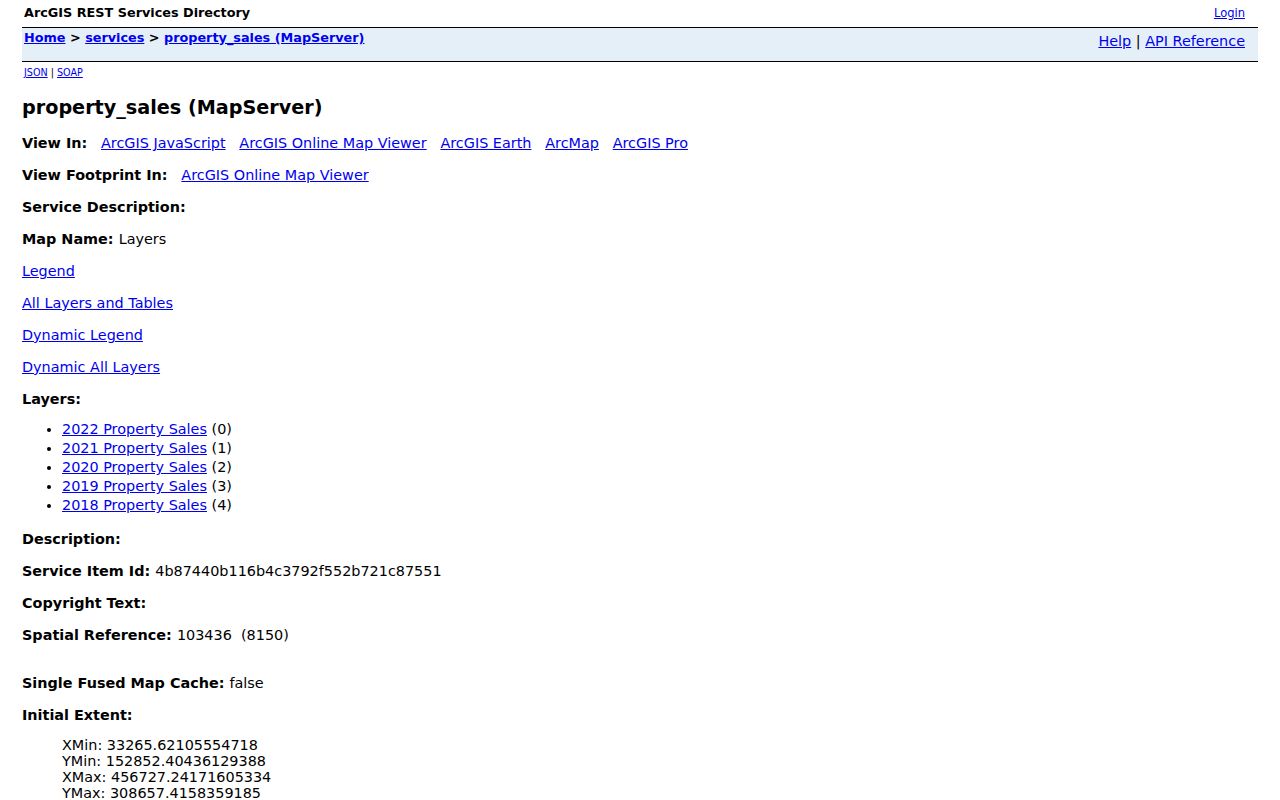
Use the sales layers as market context, then verify the underlying sale and current parcel in the county property records before drawing any conclusion.
Wausau's Revaluation Baseline
Wausau's assessment page states that its last revaluation was effective January 1, 2020. The city's current assessment search can filter residential or commercial property. Filters include address, neighborhood, and recent sales. Assessed value and other details are also options. That documentation makes Wausau a well-covered part of the county. The date itself should not be applied to Merrill, Mosinee, or a town parcel.
Within Wausau, downtown commercial blocks and riverfront redevelopment reflect different building ages and land uses. The Andrew Warren Historic District does too. The historic district's houses date from 1868 to 1934. Those facts are search context. They are not a claim that one district rose by a set percentage. Pull a parcel card and comparable sales. Do that before concluding anything about a Marathon County property value. The City of Wausau assessment page lists its search options and revaluation information.
Compare a Marathon County Property Value
Identify what each number measures before comparing values. A local assessment is parcel-level and belongs to a tax year. DOR's ratio describes a municipality, while a recorded price belongs to a transfer. If an estimate and a price differ, check the dates, the parcel class, the condition, and whether the sale reflects the same land configuration shown in the deed records.
- Save the current Ascent assessed value, municipality, PIN, and retrieval date.
- Read any fair-market estimate on the same record or tax bill as a separate measure.
- Check the latest recorded deed for its date and transfer context.
- Use DOR's ratio only to understand the municipality, not to price the parcel.
- Assessed value
- The local parcel assessment.
- Market value
- A market estimate that may appear on a Wisconsin bill.
- Level of assessment
- The relation between assessment and market-level values.
Marathon County Value Records Have Dates
Dates matter in Marathon County value records. Ascent refreshes its parcel data monthly, yet ownership changes can lag a few months behind. Assessments and sales figures each belong to their own period. So when a new transfer sits next to an older assessment, keep both dates in mind. The values were never meant to match. A recorded sale documents that transaction; it does not prove the current assessment is wrong.
For current assessment information, Marathon County publishes a value page and points to the Department of Revenue's annual reports. A Wausau parcel can be checked through the city's assessment search. Properties elsewhere fall under the relevant municipality's assessor. Before filing a formal value objection, confirm the local assessor's calendar; the tax page covers the separate appeal steps.
Historic Marathon County Property Value
An old house's current value is only part of its story. Wausau's historic survey pieced together approximate construction dates from assessment records. It then layered in deeds, directories, Sanborn maps, newspapers, and Historical Society property files. The city keeps no historic building permits. The Andrew Warren district has homes from 1868 to 1934. It and the downtown commercial area each reflect distinct record and building contexts.
For older Marathon County properties, dated maps and deeds show how a lot was used and shaped over time. Current assessed value, by contrast, is a present tax measure. The Historical Society's materials can identify a house or occupant; the deed establishes title. Neither a historic designation nor an old construction date amounts to a market appraisal.
For a tax bill or a formal assessment objection, see the separate Marathon County property tax record process.
What a Marathon County Assessment Is Not
An assessed amount is not a private appraisal. It will not tell you what a property would fetch in a private sale. In Marathon County, the assessment is a value interpretation used for local tax work. It can differ from a recorded sale. The date, property condition, market, or parcel configuration differs. Equalized value and assessment ratios are municipal measures, not opinions about one parcel.
Value vs price. A Marathon County assessment does not promise what the parcel will sell for. For a sale decision, use a current appraisal and review the property's facts.